
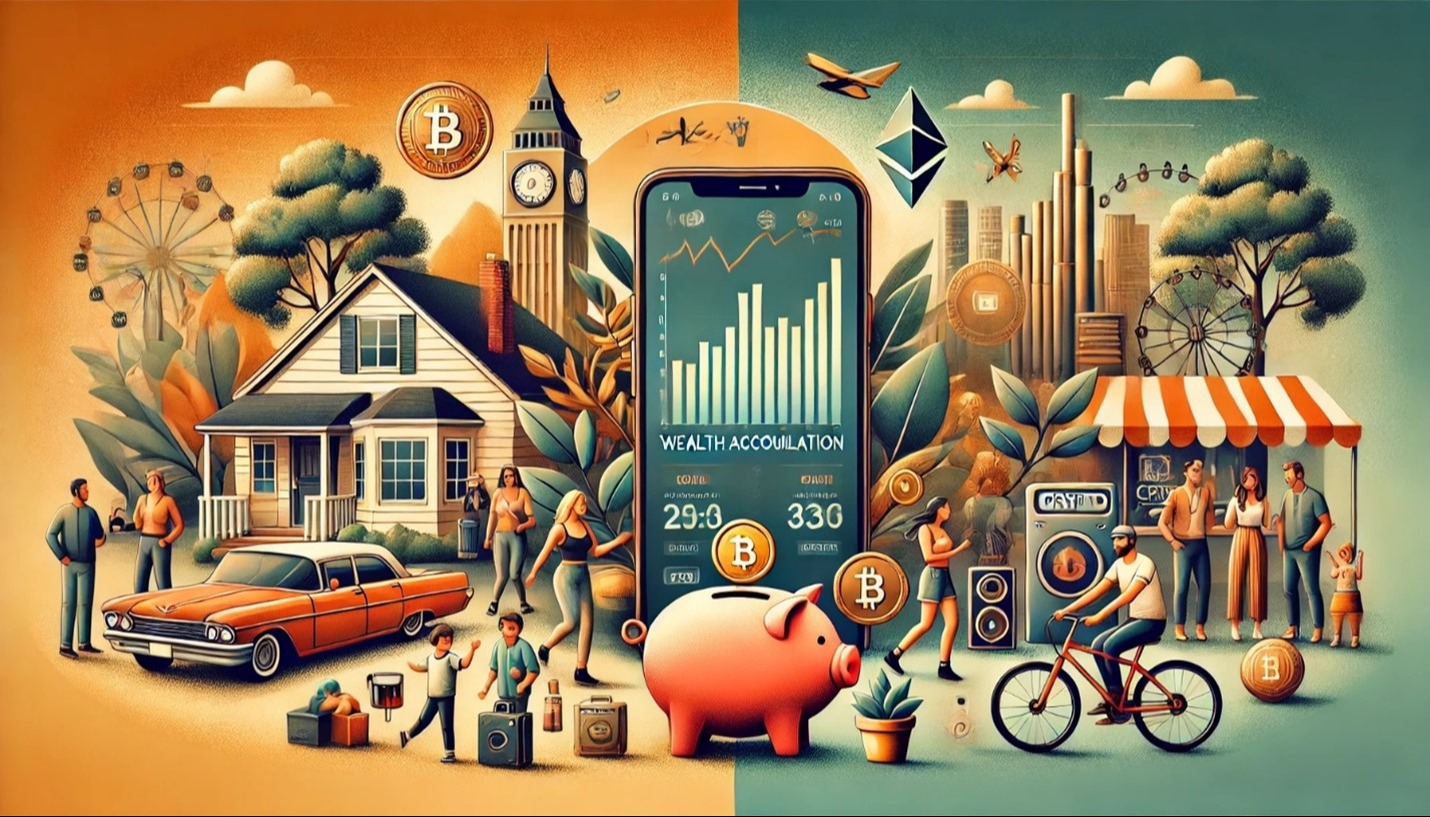

As a firm that serves clients as old as 100 years and as young as teens, we see first-hand that generational finance habits can vary drastically. For Boomers, Gen X, and Millennials, this difference seems more nuanced. However, with the incredible changes in our world since the turn of the century, we’re starting to see Generation Z approach spending, savings, and investing in a unique and unprecedented way. Having a multi-generational team at DWM allows us to represent these differences, considering the behavioral habits of each generation. By providing an explanation of Gen Z’s habits, written by a member of said generation, we hope to help bridge the gap in philosophies, putting these differences in context.
We all know the famous phrase from the Declaration of Independence, “Life, Liberty, and the pursuit of Happiness.” However, did you know that the phrase originates from the works of John Locke, an influential Enlightenment philosopher? However, in his writings, he used the phrase, “Life, Liberty, and Property”. When Thomas Jefferson drafted the Declaration of Independence, this phrasing was modified, partially due to political considerations. At the time, property ownership was tied to wealth and privilege, meaning Locke’s original phrasing would have excluded many from the envisioned equality. This change draws a striking parallel to the shift in spending and savings habits between Generation Z and older generations.
To oversimplify it, Gen Z favors experiences over possessions. Unlike older generations, who often equated success with the accumulation of wealth and possessions, Gen Z values personal fulfillment and shared experiences. Whether it’s travel, concerts, or dining out, they’re willing to spend on activities that create memories and allow them to connect with others. There are many speculations as to why this is the case, but from my personal experience, these are the reasons we believe to be most accurate:
- Young people feel more hopeless than ever about home ownership. In the past, home ownership was seen as the first step in attaining financial independence. Now there is more focus on other investment opportunities- those that don’t require a huge initial investment (a downpayment.) A portion of Boomer and Gen X paychecks was earmarked for this purpose. Now, it is likely discretionary spending that is often used for present day experiences
- COVID 19 affected the social development of Generation Z more than any other generation. Graduating in 2021, I lost a huge chunk of my college experience. It only feels right to make up for that, taking advantage of as many opportunities to connect and get out of the house as possible. While many of us were in quarantine, isolated from other people, we found much less solace in material goods than we expected. The epidemic showed us how valuable in-person experiences and events were to our happiness and mental health.
- The social media era has revolutionized the way that we express wealth. Posting expensive clothes and accessories can come across as tacky. Real wealth on social media is shown through international vacations, VIP seating at a popular concert, or weekend getaways at the trendiest spot. In fact, many influencers are going broke trying to prove their wealth so that Gen Z will buy their skin care products or enroll in their get-rich-quick courses. This has propelled many of my generation to focus more on exuding wealth than on growing it.
Though spending on material goods is decreasing, spending on consumable goods is increasing. Our generation is more focused on health, beauty, and self-care than ever before. While the argument that material, lasting goods are more valuable than consumable goods is a strong one, the young generation does not necessarily spend carelessly. With so many industries saturated with an abundance of products, Gen Z spends more time carefully researching their options before making purchases. They prioritize value, quality, and alignment with their personal values over sheer brand loyalty. Gen Z members are known for being highly conscious consumers, often gravitating towards brands that emphasize sustainability, ethical practices, and inclusivity. Social media plays a pivotal role in their decision-making process, as they rely heavily on reviews, influencer recommendations, and peer opinions. You may consider these purchases unwise, but they are less impulsive than we’ve seen in preceding generations.
We’ve already touched on the attitude to investing in real, tangible assets, but this goes much further than home ownership. Unlike with older generations of the same age, Gen Zs don’t see the investment world as a confusing, overwhelming place. In the past, Baby Boomers, Gen X, and Millennials often leaned towards the safer, more traditional investment opportunities that didn’t necessitate any knowledge of financial markets. Gen Z on the other hand feels more confident and is much more inclined to explore alternate investment opportunities. We grew up with platforms like Robinhood and Acorns which allowed access to the stock market with a low initial investment, low fees, and convenience. Before I started my college education, I had plenty of experience investing on one of these platforms. Though it was more comparable to gambling than traditional investing, I was exposed to the industry relatively early. The money I lost on a small company that I thought would be the next google, was more than repaid by the knowledge I gained in investment philosophy. Growing up with real-time data, 3rd party analysis, news reports, and peer speculation at my fingertips was something that the older generations never had the chance to experience in their adolescence.
One glaring example of the difference in investment ideologies between Gen Z and older generations is the adoption of crypto. Sure, Bitcoin was a foreign idea when it started gaining popularity in the mid-2010s, but so was much of the investment world to Gen Z. For this reason, the younger generations are much more willing to embrace less established investment vehicles like crypto. Most of us grew up during the Great Recession with the understanding that even those investments labelled as traditional and established can crash at a moment’s notice. So, why not take risks? Compared to other generations in their teens and twenties, Gen Z demonstrates greater knowledge about investments, which empowers them to take more risks. However, we believe there will be a time when most of the generation realizes that investing for the long-term is the key to financial independence. “Vegas investing” as we call it, is a great way to get your foot in the door and learn about the basics, but it’s not a good strategy for the protection and growth of your assets.
Navigating the nuances in generational financial habits can be confusing, but it’s made much clearer within a team that spans the generations. It’s true that younger generations tend to be more ignorant, but with context, we can understand each other better. No one generation has the correct ideology on spending, saving, and investing, but we’re confident that with our diverse backgrounds, we can advise clients in the best way possible, regardless of age. Our goal is not to judge or generalize but to build strategies that align with each client’s unique values and goals. This mindset is not only good to have as an RIA, but also as a person. We encourage you all to consider the background and environment of a person or a generation, before making a generalization.